
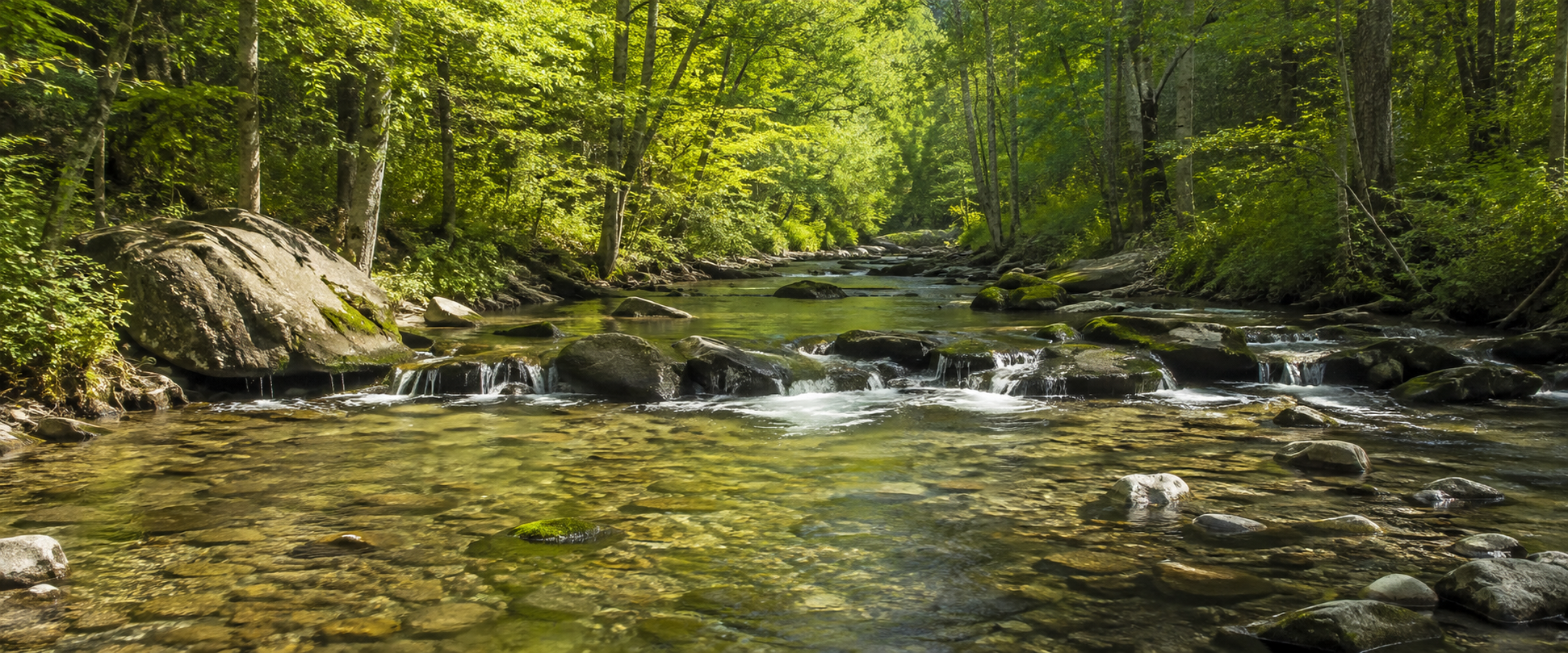
The Lake Erie shoreline may be the main attraction around Angola on the Lake, but some of the area's most interesting natural scenery can be found along the creeks that wind through the surrounding forests, parks, and countryside. These waterways eventually make their way toward Lake Erie, creating important habitats for fish and wildlife while offering visitors another way to experience the natural side of Western New York.
From the quiet waters of Big Sister Creek to the expansive Cattaraugus Creek, the streams around Angola are especially beautiful during spring, summer, and fall. Some are ideal for fishing, others are best enjoyed from nearby parks and trails, and all are part of the larger Lake Erie ecosystem that defines this corner of Erie County.
Big Sister Creek
Big Sister Creek is one of the waterways most closely associated with Angola, New York. Flowing through the Town of Evans, the creek eventually reaches Lake Erie at Bennett Beach, where the lower portion of the stream creates a scenic transition between wooded creek habitat, sandy shoreline, and open lake.
Bennett Beach is one of the best places to experience Big Sister Creek. Visitors can walk through the park, cross the creek, explore the surrounding natural landscape, and continue toward one of the area's most attractive stretches of Lake Erie shoreline. The lower section of the creek also provides habitat for a variety of fish, birds, and other wildlife.
Farther inland, Big Sister Creek passes through the Village of Angola, including alongside Herman Park. The park's walking path and creekside setting make it an easy place to enjoy the water without venturing far from the village.
Little Sister Creek
Just north of Big Sister Creek is its smaller neighbor, Little Sister Creek. This Lake Erie tributary winds through the Angola area before reaching the lake near Cradle Beach. Although smaller and less prominent than Big Sister Creek, it contributes to the network of streams, wetlands, and shoreline habitats found along this section of Lake Erie.
Little Sister Creek is a good example of the many smaller waterways visitors may encounter while exploring the Angola shoreline. Access varies along the creek, and portions pass through private property, so visitors should always observe posted signs and property boundaries.
Cattaraugus Creek
A short drive south of Angola brings visitors to Cattaraugus Creek, one of the largest and best-known waterways entering Lake Erie in Western New York. The creek reaches the lake near Irving and forms a dramatic natural corridor through the surrounding landscape.
Cattaraugus Creek is particularly well known among anglers. Lake Erie tributaries support seasonal runs of steelhead and other fish, making the creek a popular fishing destination during portions of the year. Its size, wooded banks, and changing water conditions also make it an impressive place to experience the region's freshwater environment.
Eighteen Mile Creek
North of Angola near Hamburg is Eighteen Mile Creek, another significant Lake Erie tributary. Eighteen Mile Creek Park encompasses hundreds of acres of largely undeveloped woodland surrounding the creek's North and South branches.
The landscape here is noticeably different from the beaches closer to Angola. Deep wooded areas and a dramatic creek gorge make the park a destination for hiking, fishing, wildlife watching, and exploring the forests of southern Erie County.
Fishing the Lake Erie Tributaries
The creeks feeding Lake Erie play an important role in Western New York's fishing scene. Depending on the season and water conditions, anglers may find steelhead, trout, bass, and a variety of warmwater species throughout the region.
Big Sister Creek and Cattaraugus Creek are among the waterways that attract anglers, particularly when seasonal fish move between Lake Erie and its tributaries. Fishing regulations, seasons, access areas, and water conditions can change, so anglers should review current New York State fishing regulations before heading out.
Wildlife Along the Creeks
These waterways are valuable for much more than fishing. Wooded creek corridors provide habitat and travel routes for deer, waterfowl, herons, songbirds, and other wildlife. Where the creeks meet Lake Erie, the combination of shallow water, shoreline vegetation, forests, and open lake creates especially diverse habitat.
Visitors exploring quietly may spot birds feeding along the creek banks, turtles near slower sections of water, or deer moving through nearby woodland. Bald Eagles, which have made a remarkable return to the Lake Erie region, can also occasionally be seen around the area's waterways and shoreline.
Exploring the Creeks Around Angola
Creek conditions can change quickly throughout the year. Spring snowmelt and heavy rains can create high, fast-moving water, while periods of dry summer weather may leave some smaller streams noticeably shallower. Fall brings colorful foliage to the wooded creek valleys and is one of the most scenic times to explore the region.
For easy public access, Bennett Beach and Herman Park are excellent places to experience Big Sister Creek. Visitors looking to explore farther from Angola can add Cattaraugus Creek or Eighteen Mile Creek to a day of hiking, fishing, photography, or sightseeing around the Lake Erie region.
Discover Another Side of Angola on the Lake
The beaches and sunsets of Lake Erie may receive most of the attention, but the creeks around Angola reveal another side of the landscape. They connect inland forests and communities with the lake, provide important wildlife habitat, and create peaceful places to fish, walk, explore, and enjoy the outdoors.
Whether you're crossing Big Sister Creek on your way to Bennett Beach, watching the water flow through the woods near Angola, or spending a day fishing one of Lake Erie's larger tributaries, these waterways are an important part of what makes the Angola on the Lake area such a rewarding destination for nature lovers.